Welcome back to part two of our Women in Horror Month spotlight on resilient female characters in horror! Since our theme for this year’s Women in Horror Month was all about resilience, this seemed like the perfect topic to discuss with other female horror authors.
And with that, our featured authors can take it away!
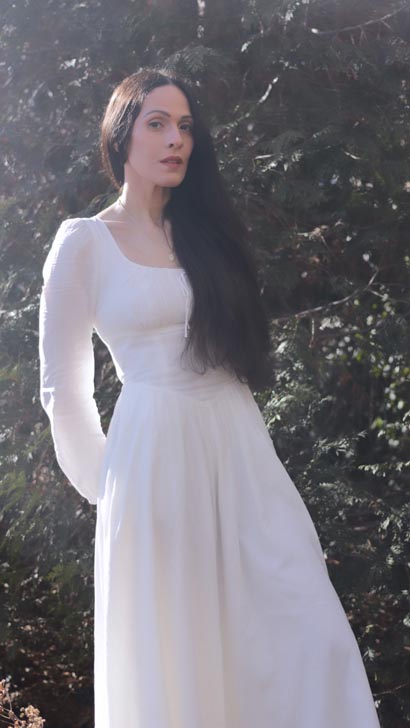 CYNTHIA PELAYO: Clarice Starling’s resilience is disciplined and intensely internal. She enters spaces designed to intimidate her, but she doesn’t flinch. What moves me is how her vulnerability becomes a part of her superpower, and how ultimately she doesn’t become hardened by her experiences but sharpened.
MADISON MCSWEENEY: In Clive Barker’s Cabal, Lori is introduced as the supportive girlfriend of Aaron Boone, a mental patient and suspected serial killer who is gunned down by police. Visiting the 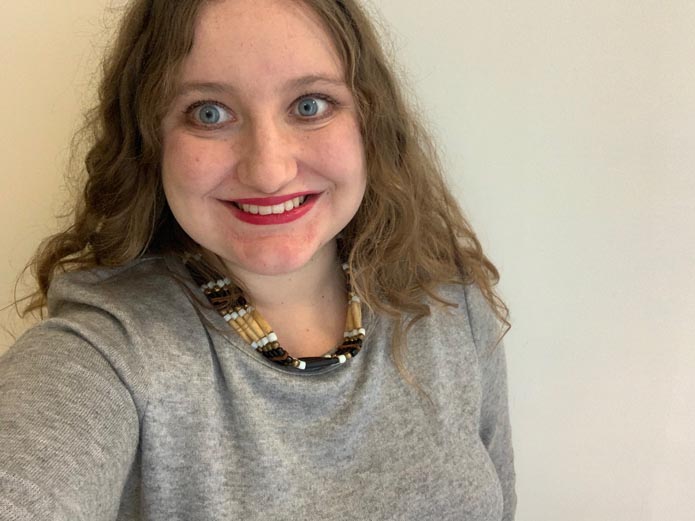 site of his violent death, Lori discovers he’s still half-alive: the newest member of a cult of subterranean, flesh-eating monsters. As a war brews between humanity and the Nightbreed, Lori helps Aaron accept his new identity and ultimately chooses to join the Breed herself, knowing she’ll suffer displacement and persecution along with them. She’s not simply following her lover into the darkness; Barker writes Lori as an independent, self-assured woman who has made her peace with losing Aaron. It’s her strong will and sense of self that allow her to recognize her own kinship to the monsters.
 JESS HAGEMANN: My favorite resilient female character in horror is Jenny from The Green Ribbon. She resists pressure from everyone around her until the end, when she takes her fate into her own hands.
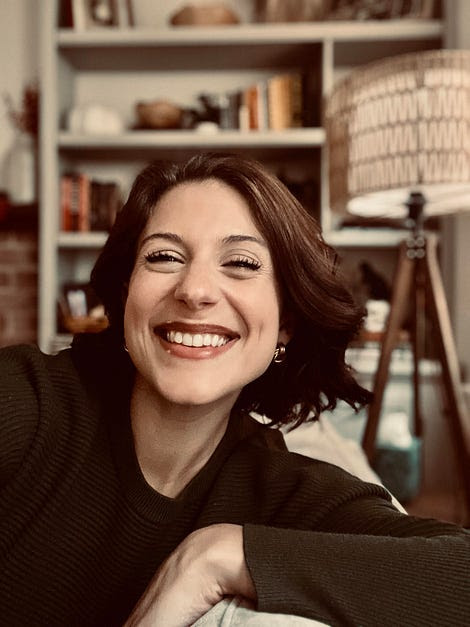 GRACE R. REYNOLDS: When I think of resilient female characters in horror, the first that comes to mind is Tess from the film Barbarian. She subverts the trope of the Final Girl by questioning her surroundings and refusing to be a passive victim in the depths of the Mother’s lair. She wields patience and empathy as a weapon, quite literally, to pull herself out of the pits of hell!
 L. MARIE WOOD: I’d have to say Nancy from A Nightmare on Elm Street. Specifically the original. She was a teenager doing teenage things who got caught up in a terrible nightmare that could cost her life. After losing her best friend and her boyfriend, Nancy didn’t just wait to die – she fought Freddy Krueger with everything she had, sacrificing her body in the process to pull him into the light. It was badass and that was punctuated by the way she said, “Screw your pass,” when the hall monitor asked for it. Side note, the amount of times I say, “Screw your pass!” when I don’t want to do something is embarrassing.
 MAY WALKER: I’m not sure if Jane from The Autopsy of Jane Doe is my favorite, but she’s certainly resilient, surviving torture, time, misogyny, and the stripping of her identity. She deserves her vengeance, and in this dark time in history, this is a feeling that resonates.
 MICHELLE RENEE LANE: One of the most resilient female characters I’ve seen in a horror film recently is Hailey Freeman, played by Danielle Deadwyler in 40 Acres (2025). Hailey is a complicated character who takes the trope of the strong Black woman to the extreme end of that spectrum as her blended family’s matriarch. Hailey lives with her partner and their children on an isolated farm in Canada that has passed down to her through multiple generations from her great great grandfather who escaped slavery. A former soldier, she has trained her family like a special ops team to protect them from cannibalistic raiders in a post apocalyptic, near future world ravaged by pandemics, wars, and species extinction. Hailey has high expectations and strict rules in her household and insists on being in control to keep her family safe. A series of unfortunate events leads her to risk her own life to save her loved ones. Reluctantly, she finally yields some of that control enough to trust her family to look after themselves after she nearly dies to rescue them and ends up being saved.
 ANN FRAISTAT: Pearl from Ti West’s Pearl. I admit Pearl is a bit of an oddball choice, as her resilience does ultimately fail her, time and time again—but that said, her shattering resilience is precisely what makes for one hell of a villain origin story. Pearl is ravenous for stardom, determined to the point of delusion to escape her austere and lonely life, and when her glittering defiance does crack into bloody rage, it’s a pain I can feel in my bones. Plus, she has a pet alligator named Theda, which obviously gives her bonus points.
 ERIN AL-MEHAIRI: Rose Madder, from the Stephen King novel of the same name, has always been a strong example of resistance and resilience to me. In the wake of leaving her abusive husband, scared and alone, she becomes powerful not just with help from the magical world, but by channeling her anger and rage into something far more powerful and life-changing. As a survivor of domestic violence myself, this book and its main character helped me through so much in my escape to a new life and taught me how to be resilient even in confronting extended periods of abuse and harassment before and after leaving and all the obstacles that kept jumping in my way. It’s really the catalyst of why I began to write horror.
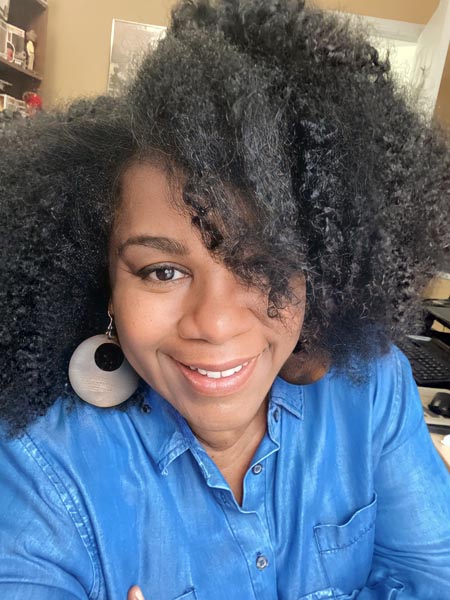 KENYA MOSS-DYME: One of my favorite resilient women in horror fiction is Brittany from the story “Armor”. Armor is one of the short stories in the Maleficient Tales (2025) collection by author Mya Lairis. Brittany, a quiet but angry teenager, has experienced deep trauma within her own household and was left unprotected and savaged by those she loved and trusted. In the story, she experiences a brutal and monstrous transformation that allows her to heal from the inside out, so to speak. It’s haunting, ugly and raw, but. I think about Brittany often because she shares a name with my daughter and because I wish every daughter have some sort of armor against the world.
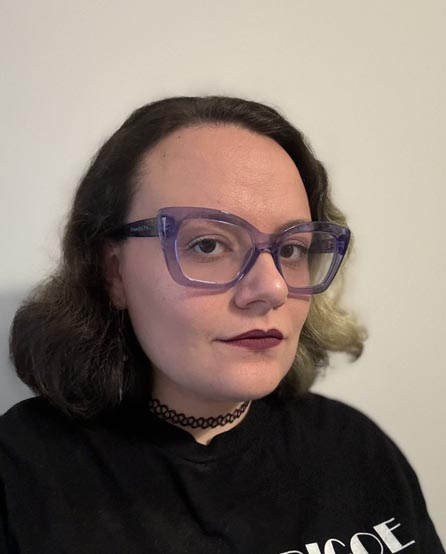 RACHEL BOLTON: My resilient female character in horror is Christine the 58′ Plymouth Fury from the 1983 film.
Christine may be a car but she is coded as female. She is a lady and expects to be treated like one. Her first on screen kill is a man who dared to smoke a cigar in her interior. Sure, she is possessive, a child murderer, and evil, but Christine always gets what she wants. From putting her broken frame back together to driving down the street on fire, Christine is unstoppable.
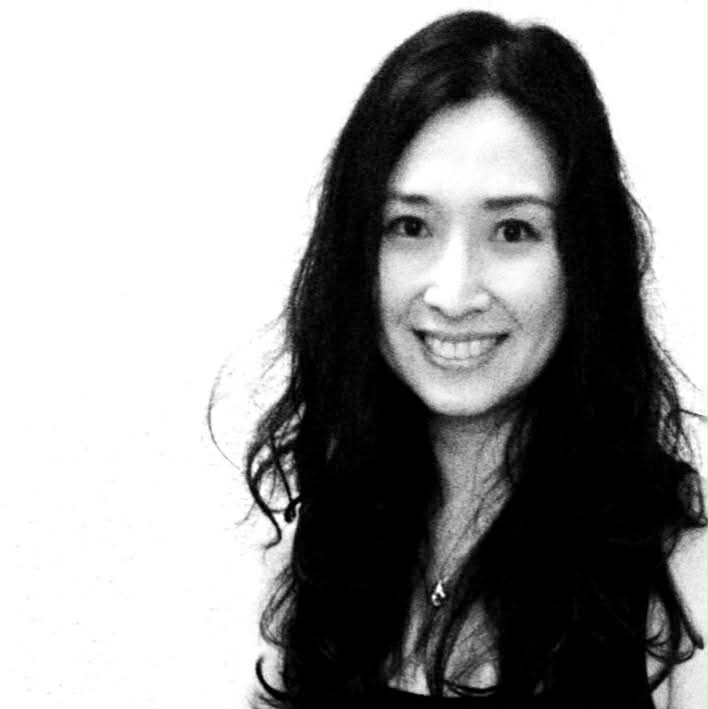 CHRISTINA SNG: I’ll have to say Carol in The Walking Dead. She’s had such an incredible journey from battered wife to the strongest and smartest survivor in the show. Her resilience and her resourcefulness sets her apart from everyone else. If something goes wrong, it’s Carol who saves the day. I admire her so much and aim to be like her when I grow up!
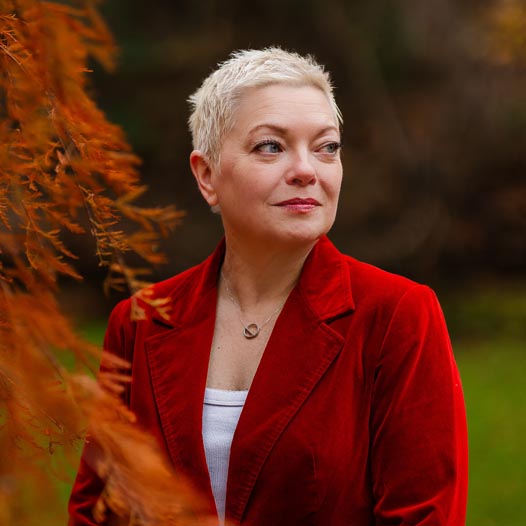 NICOLE M. WOLVERTON: My favorite resilient female character in horror is the narrator of “The Yellow Wallpaper” by Charlotte Perkins Gilman, which I realize is an odd choice–except that she is so single-minded in her pursuit of gaining agency for herself in a world where women are denied the freedom of movement and their own desires. Given the effort in contemporary politics to effect a backslide in freedoms for women, it feels particularly of-the-moment in some ways. I am particularly fascinated by the use of food in the story and the way the narrator opts out of her forced diet of “cod-liver oil and lots of tonics and things, to say nothing of ale and wine and rare meat” as a way to carve out some semblance of decision-making and its place in setting her free, for what it’s worth, by the end of the story.
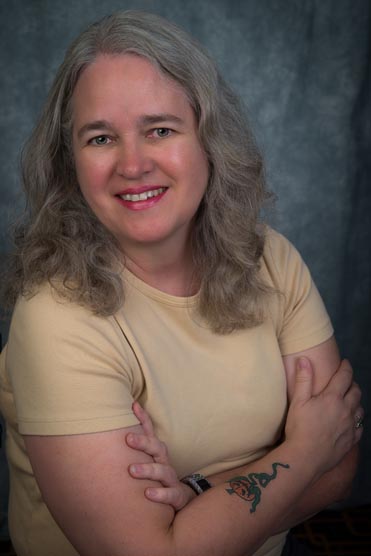 LISA MORTON: I’m going with Clarice Starling (and yes, dammit, The Silence of the Lambs absolutely IS a horror/mystery!). So many women in horror novels and films exist to be victims – even when they are the protagonist – but Clarice is so great because throughout her life she has worked to raise herself up, and in the story’s finale she firmly catapults herself out of any potential for victimhood.
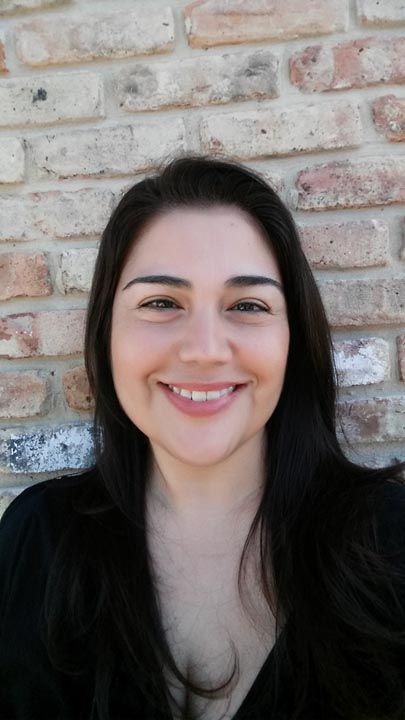 AGATHA ANDREWS: Lolly Willowes from the book LOLLY WILLOWES by Sylvia Townsend Warner – She was tired of everyone taking advantage of her and making demands on her life, so she became a witch and sold her soul to the devil just so she could get some peace and quiet. Then she tamed the devil.
 LYDIA PRIME: My favorite resilient female character in horror is a bit hard to pin down, but I’ll go with Maya from The Butterfly Garden by Dot Hutchison. Imagine being kidnapped, permanently marked, and kept for years; staring your only conceivable twisted end in the face day in and day out. Maya expertly navigates not only her captivity in ‘The Garden’ but several, if not all, of her fellow prisoners to foster some level of comfort… well, what little comfort they can find in this place. To hold on to one’s sanity knowing the clock is ticking for yourself and those around you, I can’t imagine a stronger person.
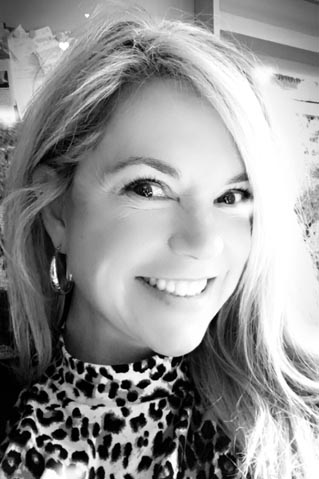 CATHERINE JORDAN: Noomi Rapace is a favorite character in my favorite drama horror movie, You Won’t Be Alone, and endures her kidnapping by becoming the other, by allowing herself to be shaped by watching and feeling. She stands as a profound yet overlooked resilient woman because she does not want to be saved; she learns and lives within her experience.
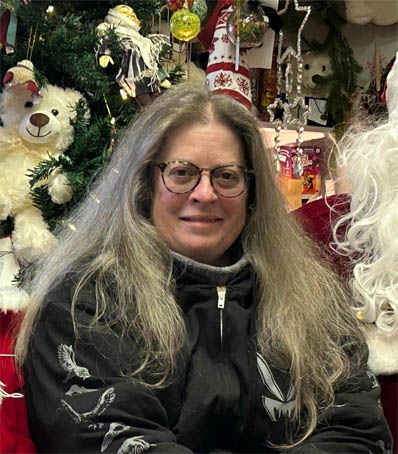 TRISH WILSON: I chose Rynn Jacobs from “The Little Girl Who Lives Down The Lane”, a 1976 horror film starring 13 year old Jodie Foster in one of her first major movie roles. The movie takes place in a conservative small seaside town in Maine. Martin Sheen stars as pedophile Frank Hallet, with Geraldine Page as his nosy, enabling mother, Cora Hallet. Scott Jacoby rounds out the main cast as Rynn’s only friend, disabled teenager Mario Podesta. Only a year earlier, Sheen starred in “Sweet Hostage” opposite a teenaged Linda Blair. The movies are uncomfortably similar. “Sweet Hostage” romanticized Sheen’s charismatic escaped mental patient who seduces Blair, resulting in Blair’s case of Stockholm Syndrome. He quotes Coleridge and devolves into frightening and violent flights of fantasy. The similar characters yet very different and disturbing portrayals offset each other quite well.
While Rynn is only 13 years old, her intelligence and lack of naivete enable her to fend off the lecherous pedophile, Frank, as well as keep nosy neighbors at bay since the townspeople wonder where her poet father is. He is never home when people barge in unannounced or he is writing and can’t be disturbed. Rynn is perfectly capable of taking care of herself, but she trusts Mario enough to let him get close to her and to help her. Frank continues to sexually harass Rynn, who has her own effective ways of dealing with him. I won’t discuss details of the plot so I leave no spoilers. Suffice to say Jodie Foster knocks her performance out of the park – so much so she won a Saturn Award for Best Actress.
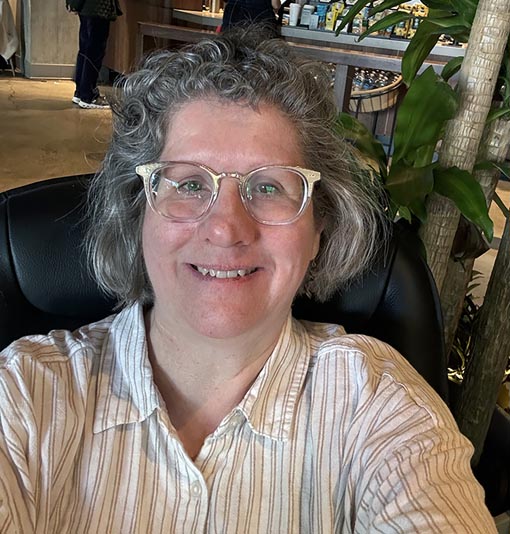 AMY GRECH: Offred in The Handmaid’s Tale by Margaret Atwood, is my favorite female character. I love her steadfast transformation as she struggles with her identity in a patriarchal, totalitarian state of Republic of Gilead where women’s bodies are owned through political subjugation and complicity is the norm.
 SABA RAZVI: The resilient horror heroine is the ultimate final girl of the page: Scheherazade from The 1001 Nights. Even though this is not a typical horror story as seen through the lens of Western narrative structures, it sprawls across all the nightmares and atrocities of the East in an unapologetic and intricately faceted way. And, if you take a step back from the frame tale or the whimsy it contains, you can see how horrific the scenario is. The frame tale is structured around sustained horror and serial murder, and the tales contained within it feature all kinds of adventure and danger and nightmare, which are offset by the whimsy or beauty or ephemeral. You can get lost in the stories, and forget which threads connect to each other. The premise and the atmosphere are a nightmare that suggest that survival is a fragile kind of miracle or a gift for the lucky or the cunning. Scheherazade jumps into the dangerous situation of choosing to marry a serial killer (let’s face it, he is doing exactly that through his revenge agenda of “marry, seduce, and kill” with state power sharpening his sword).
But she sees the haunted palace that he is. And, she refuses to be defeated or annihilated, surviving solely though the force of her imagination. She walks into the nightmare and decides to save herself and Shahryar from his violent plan with nothing but a story that she pauses at just the right time to keep things going. Her resilience is a reminder that time is always running out and the stakes are always life or death when we go all in with our endeavors. Her narratives feature all the darkness of humanity: strangeness and excess, jealousy, cruelty, demons and jinn, sorcery, shipwrecks and false faces…and even the heart of the king’s psychic wound, jealousy, betrayal, and tenderness. She sneaks beauty in to disarm the horror, but it’s always an otherworldly kind. What I love about her resilience is that it reminds us of the power of words and that narrative can be dangerous and risky as well as it can be liberating. It is the poetry of our language that takes us into the darkest parts of ourselves, but leaves us a thread we can use to wind our way back out. Her resilience comes at the risk of herself, but she believes in herself and in the power of her own imagination, her own ability to transform the nightmare. By invoking the horror, she finds a way to turn it into hope. In our world, today, trauma seems to lurk everywhere, and the path to surviving it is connected to faith in the self, fascination with imagination, and indulgence in the lyricism of language. Her resilience reminds me that if you pull the monster into your own story, you can find a way to survive the trauma he imposes, to write yourself free.
And that’s part two of our Women in Horror Month spotlight on female characters. While you’re here, please consider checking out part one and part three of our resilient characters spotlight!
Happy reading, and happy Women in Horror Month!